
Does HMDD Justify Its Cost? Breaking Down the Value for Shoppers
Right now, buyers browsing the category keep asking one thing: is HMDD’s price actually earned through quality? Officially Happy Memories Don’t Die, the label has grown its audience on graphics that carry emotional weight, a nostalgic aesthetic, and a collection heavy with relaxed essentials like sweatpants, shorts, hoodies, and tees. A name and a mood board, though, won’t settle the pricing question. That’s what this article examines: what your money actually buys with HMDD clothing, where the value is real, where it thins out, and how it stacks up against similar streetwear labels in 2026.
Any honest hmdd review has to pull the marketing apart from the actual garment. HMDD builds around one core emotional idea — the notion that happy memories don’t die, that a piece of clothing can carry feeling, not just fashion. That’s a compelling hook, but people paying full price want to know if the stitching, fabric weight, and fit earn the price. We’ll dig into construction, sizing consistency, drop frequency, and resale demand to give a grounded picture rather than just repeating the brand’s own pitch.
Where the Money Actually Goes
Sitting in the mid-tier streetwear bracket, HMDD charges above standard mall pricing while sitting under high-end hype labels. Being caught in the middle is precisely where confusion tends to creep in, since shoppers measure it against both ends of the spectrum. The more honest comparison is comparably-sized indie streetwear brands — not fast fashion, and not designer collaborations.
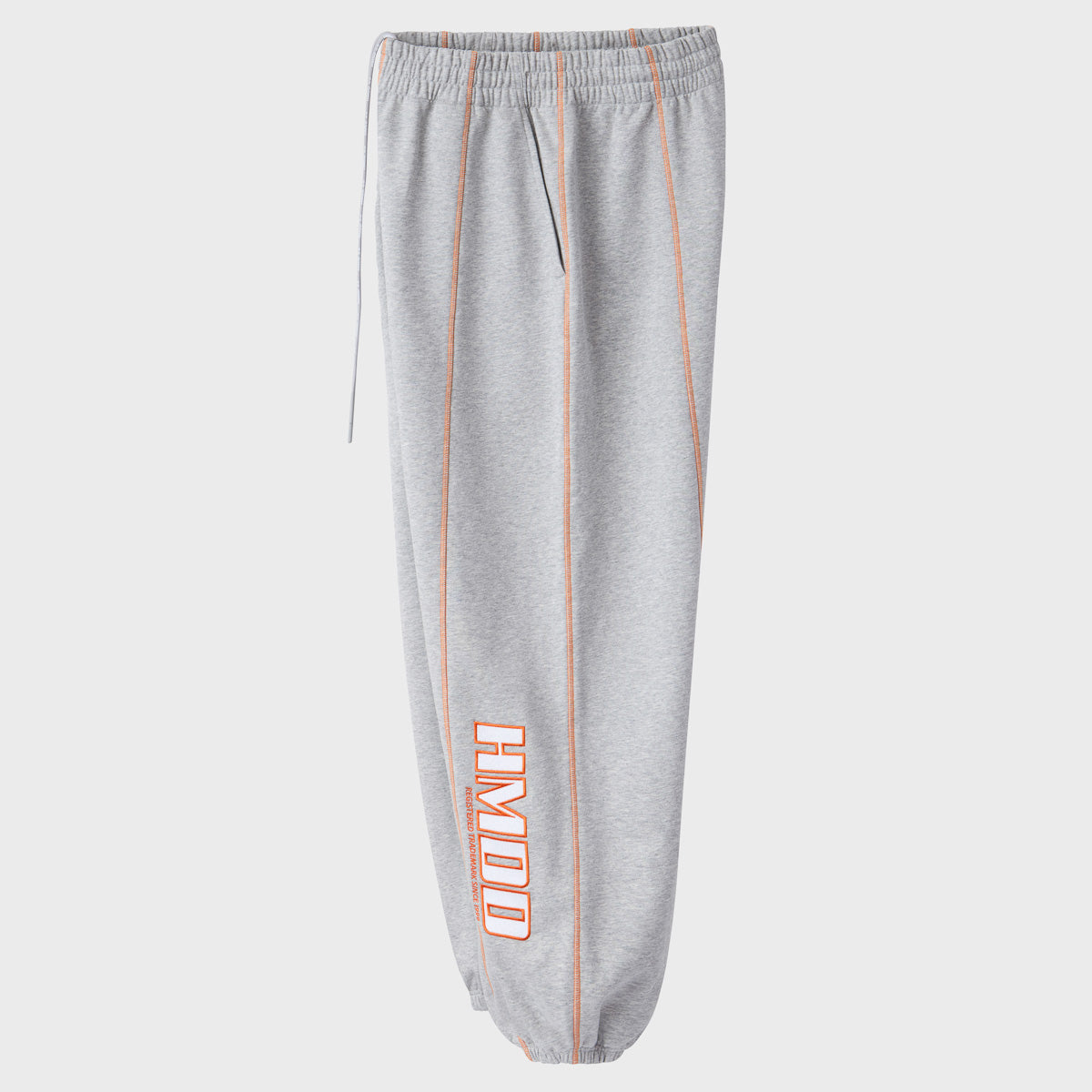
Three elements determine the cost: fabric weight, print/embroidery technique, and limited-run scarcity. Sweatpants from HMDD typically feature heavier fleece blends compared to standard mass-market hoodie sets, shaping both drape hmdd sweats and structural integrity through repeated washing. The artwork itself, usually the heart of the brand’s nostalgic message, it’s generally applied using techniques more durable than basic heat-transfer printing — a real factor for anyone wearing it often rather than rarely.
Limited-run releases push cost up too, since tighter manufacturing runs carry higher per-unit costs relative to large-scale production, expense that ultimately lands on the buyer. It’s not exclusive to this brand — it’s standard across independent streetwear — but naming it directly matters, since it accounts for some of the gap versus big retailers.
The Sweatpants-and-Shorts Lineup: The Real Value Check
Sweatpants and shorts from hmdd usually act as where most shoppers first experience the brand, and since they’re worn so often and washed so much, they end up being the most honest gauge of value. Sweatpants live or die on three things: how well the waistband holds its stretch, how much the fabric pills with wear, and whether the fit holds its shape after repeated laundering. Shorts get assessed on how long the drawstring lasts, seam strength at the inseam, and whether the material retains its color after multiple washes.
Shoppers regularly point out that HMDD sweatpants fit true to size with a easy through-the-leg cut rather than a slim taper, which counts for something if you’re used to sizing charts that skew narrow. Shorts follow a similar relaxed silhouette. Few shoppers give this kind of consistency enough credit — a brand that fits reliably across drops spares you the hassle and cost of returns, which is its own form of value even before you factor in the actual price of the garment.
Here’s where things get more compelling is repeat-purchase behavior. Rather than buying once and jumping to a competitor, satisfied HMDD sweatpants buyers tend to return for more — shorts, hoodies, and beyond. That’s a reasonable stand-in for how happy customers are, since streetwear shoppers have countless competing brands to choose from and don’t stay loyal for underwhelming products.
How HMDD Stacks Up Against Comparable Streetwear Labels
Figures anchor this discussion better than descriptive words can. Here’s a framework for comparison across categories that matter most to budget-minded shoppers: pricing tier, fabric heaviness category, print/graphic durability, drop frequency, and consistency of fit. These are general positioning estimates based on broad category placement rather than brand-specific claims not provided by HMDD directly, and they’re meant to orient you rather than function as precise specifications.
| Metric | Mass-Market Streetwear | HMDD Clothing | Premium/Designer Streetwear |
|---|---|---|---|
| General Price Tier | Low | Mid-Range | Elevated to Premium |
| Fabric Weight | Lightweight to Medium | Medium to Heavyweight | Heavyweight |
| How Long Prints Last | Low to Mid | Moderate to Strong | High |
| Release Frequency | Constant | Periodic/Limited | Seasonal, Highly Limited |
| How Consistent Fit Stays Across Drops | Variable | Mostly Reliable | Consistent |
This comparison isn’t about naming a clear winner — it’s meant to illustrate where HMDD lands within the category. It’s not competing with $15 fast-fashion sweatpants, and it’s not trying to be a $300 designer hoodie either. It sits in the space where fabric and print quality clearly surpass entry-level basics, without asking shoppers to pay luxury-tier prices for the improvement. For plenty of customers, that mid-tier position is precisely the value offering they’re seeking.
Top HMDD Picks for Everyday Value
If you’re trying to figure out what to grab initially, the best hmdd clothing for price-per-wear value is generally the pieces you’ll actually wear several times weekly — not the boldest limited item.
- Sweatpants: elevated wear frequency, laid-back fit, best cost-per-wear ratio in the collection.
- Short bottoms: solid warm-weather go-to item, matching fit reasoning to the sweatpants.
- Printed hoodies: steeper price point but reduced wear-and-tear due to reduced rotation frequency.
- T-shirts: most affordable entry point, ideal for testing sizing before buying bottoms.
Starting with a tee is a smart move if you’re unfamiliar with hmddla and not clear on how its size range maps onto your usual size. This kind of staged buying is standard guidance among streetwear buyers working through any independent brand with tight exchange periods.
Where the Value Falls Short
No label is perfect, and value assessments don’t help much if they only highlight the good. The most common friction points shoppers raise about HMDD center on limited release availability — when a design sells out, it may not restock on a predictable schedule, which can disappoint buyers who miss a release window. That’s a real cost in convenience, even if it doesn’t show up on a receipt.
Smaller streetwear labels generally fall short of the exchange leniency of big-box stores, so a purchase decision should account for the fact that fit corrections may be slower or be pricier in shipping than they would with a mass-market seller. This situation is unique to HMDD, but it’s part of the actual tradeoff of buying from a niche, creativity-led label rather than a big commercial seller with warehouse-scale logistics.
The Bottom Line: Does HMDD Deliver Value?
For shoppers who value fabric weight, graphic durability, and a distinct nostalgic aesthetic over rock-bottom pricing, HMDD justifies its cost more often than not. The “happy memories dont die” philosophy isn’t just marketing spin — it is reflected in design choices that favor meaning and lasting quality over fleeting fashion fads.
Where you need to hit the brakes is if you’re expecting high-fashion-caliber build quality at mid-level prices, or if you need guaranteed restocks and forgiving return windows. Those aren’t strong points of the scarcity-driven model under which HMDD functions, and no truthful assessment should claim differently. Weigh your own priorities — price relative to wear, aesthetic fit, and patience with infrequent replenishment — against what HMDD offers, and the worth-it question becomes much easier to answer for your particular situation in 2026.